The Late-Summer Lookalike Quiz
Porcini, parasols, honey mushrooms, chicken of the woods — peak season's best finds all have doubles. Some ruin dinner. Some end up in the ER. Can you tell them apart?
Late-Summer Lookalike Quiz
Six pairs that are fruiting right now. Identify the one you'd want in your basket.
Question 1: Which is the Porcini (choice edible)?
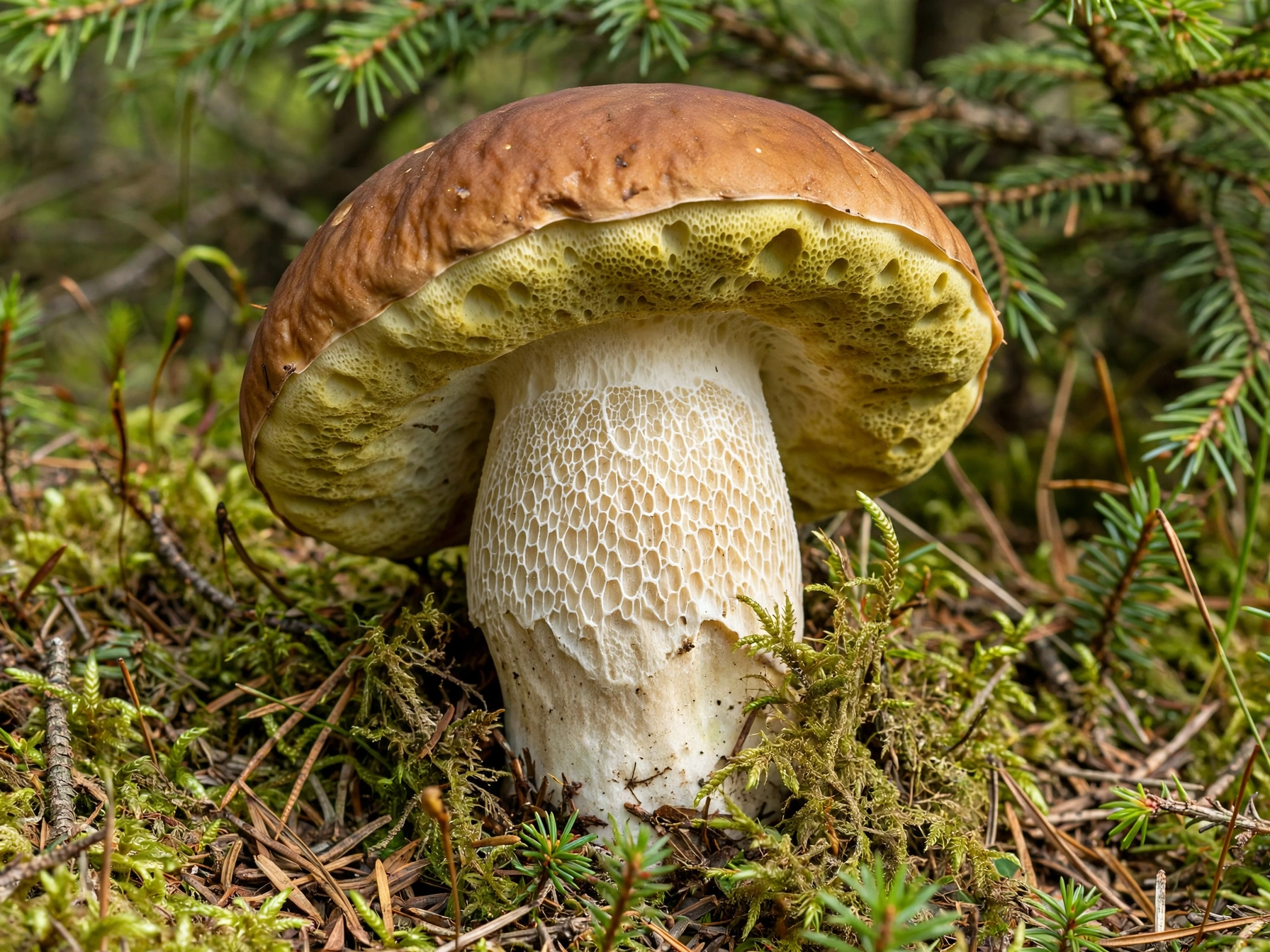
Mushroom A
White pores aging olive-yellow, fine white net on upper stem, mild nutty taste
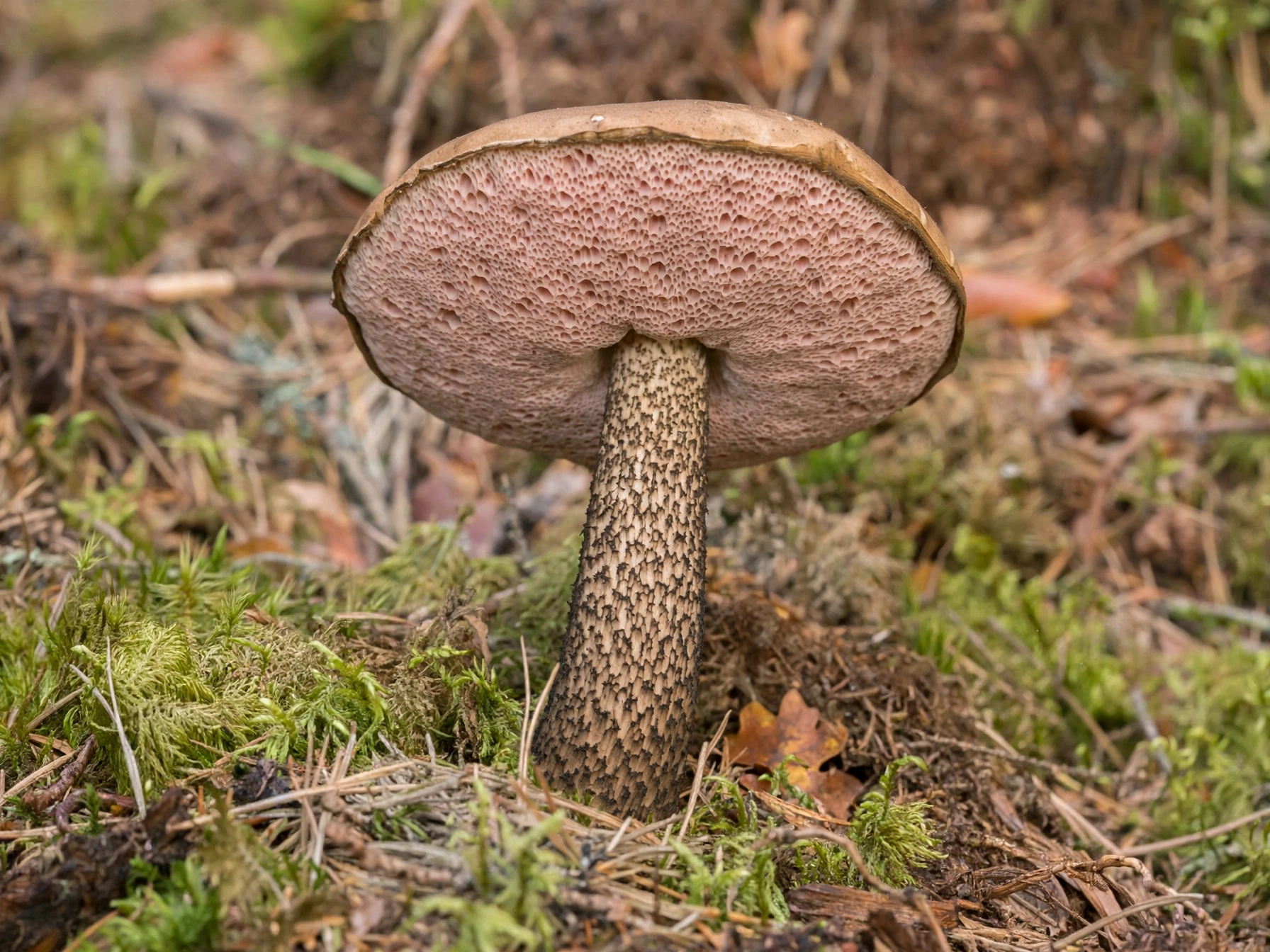
Mushroom B
Pores turn pinkish with age, coarse dark netting down the stem
Question 2: Which bolete is safe to pick for the pan?
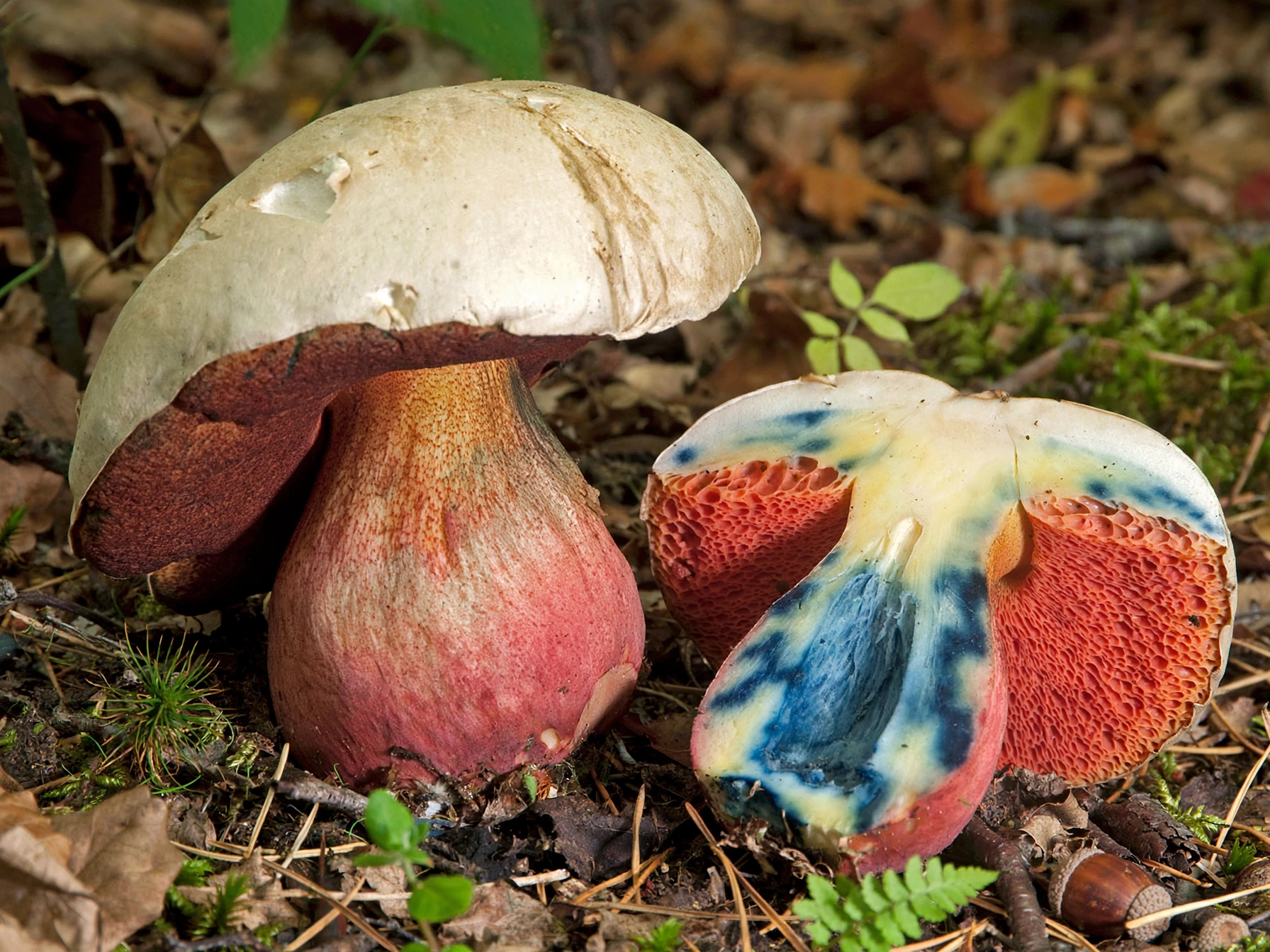
Mushroom A
Red-orange pores, stem flushed red, flesh stains blue when cut
Mushroom B
White-to-olive pores, no color change when cut, brown cap like a bread roll
Question 3: Which shelf fungus is Chicken of the Woods?
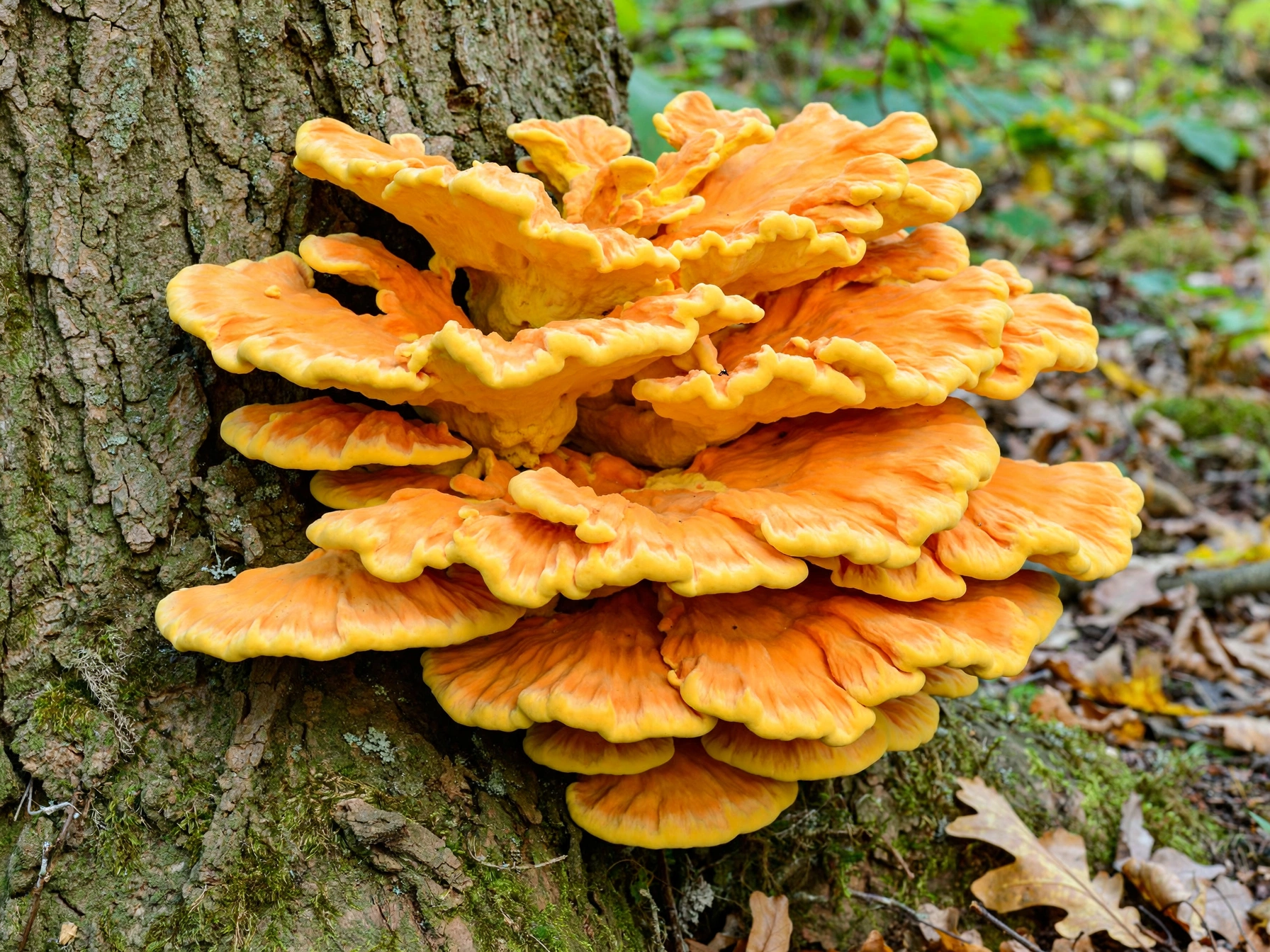
Fungus A
Bright orange shelves with yellow pore surface, growing on oak
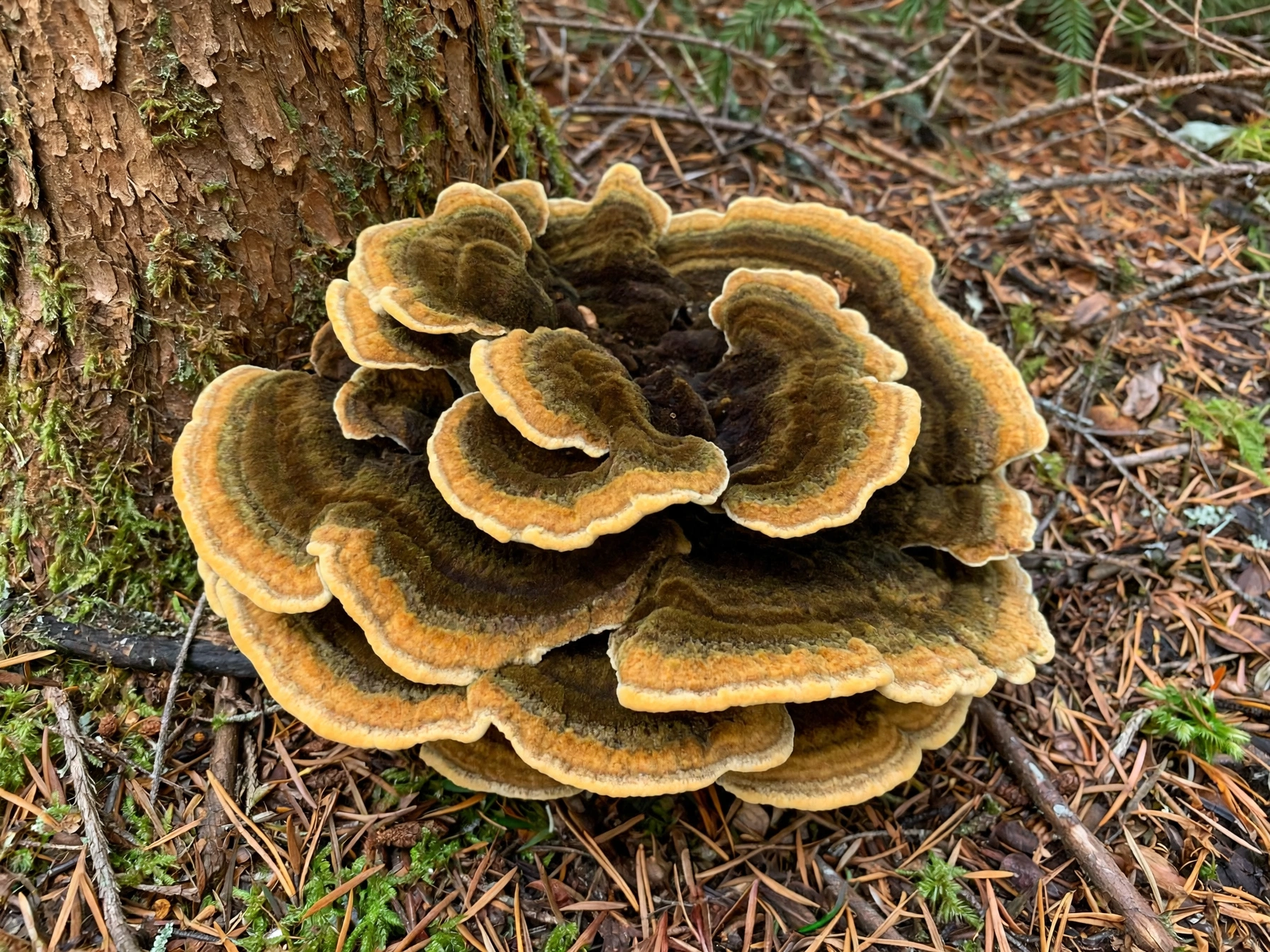
Fungus B
Velvety brown-and-yellow rosette at the base of a conifer
Question 4: Which is the true Parasol mushroom?
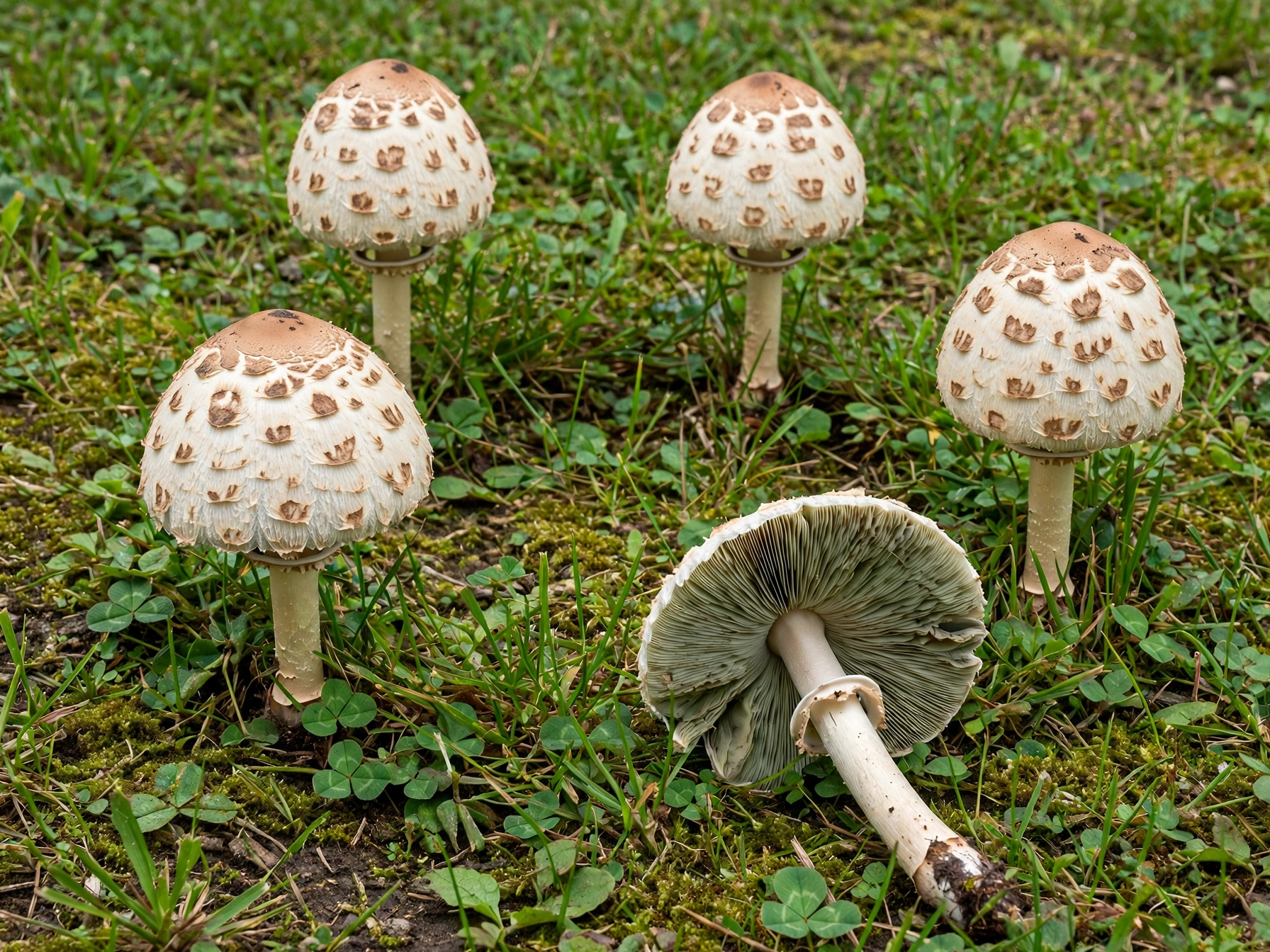
Mushroom A
Growing in a lawn fairy ring, gills age greenish, GREEN spore print
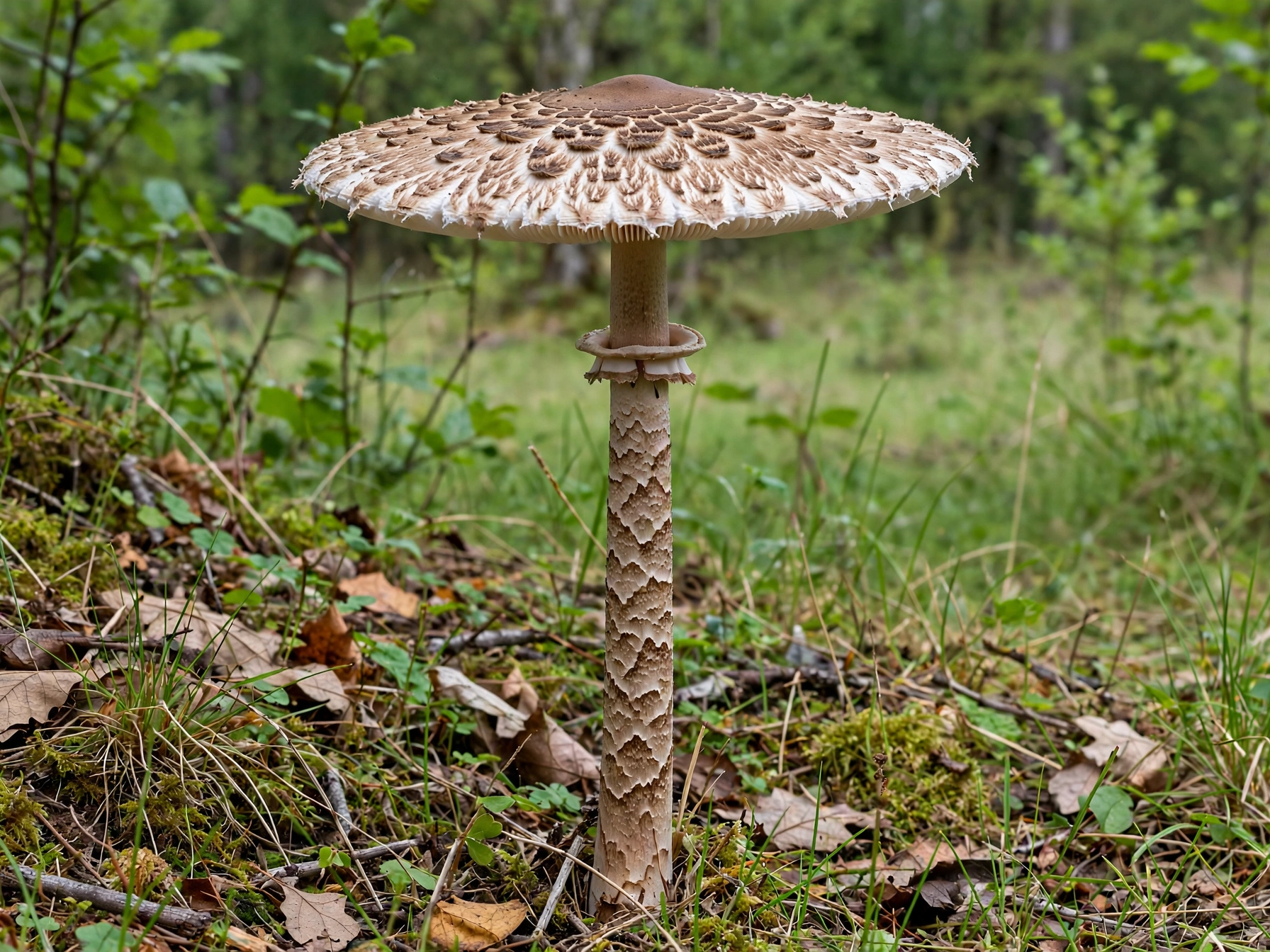
Mushroom B
Tall snakeskin-patterned stem, movable double-edged ring, WHITE spore print
Question 5: Which cluster is the Honey Mushroom (edible when well cooked)?
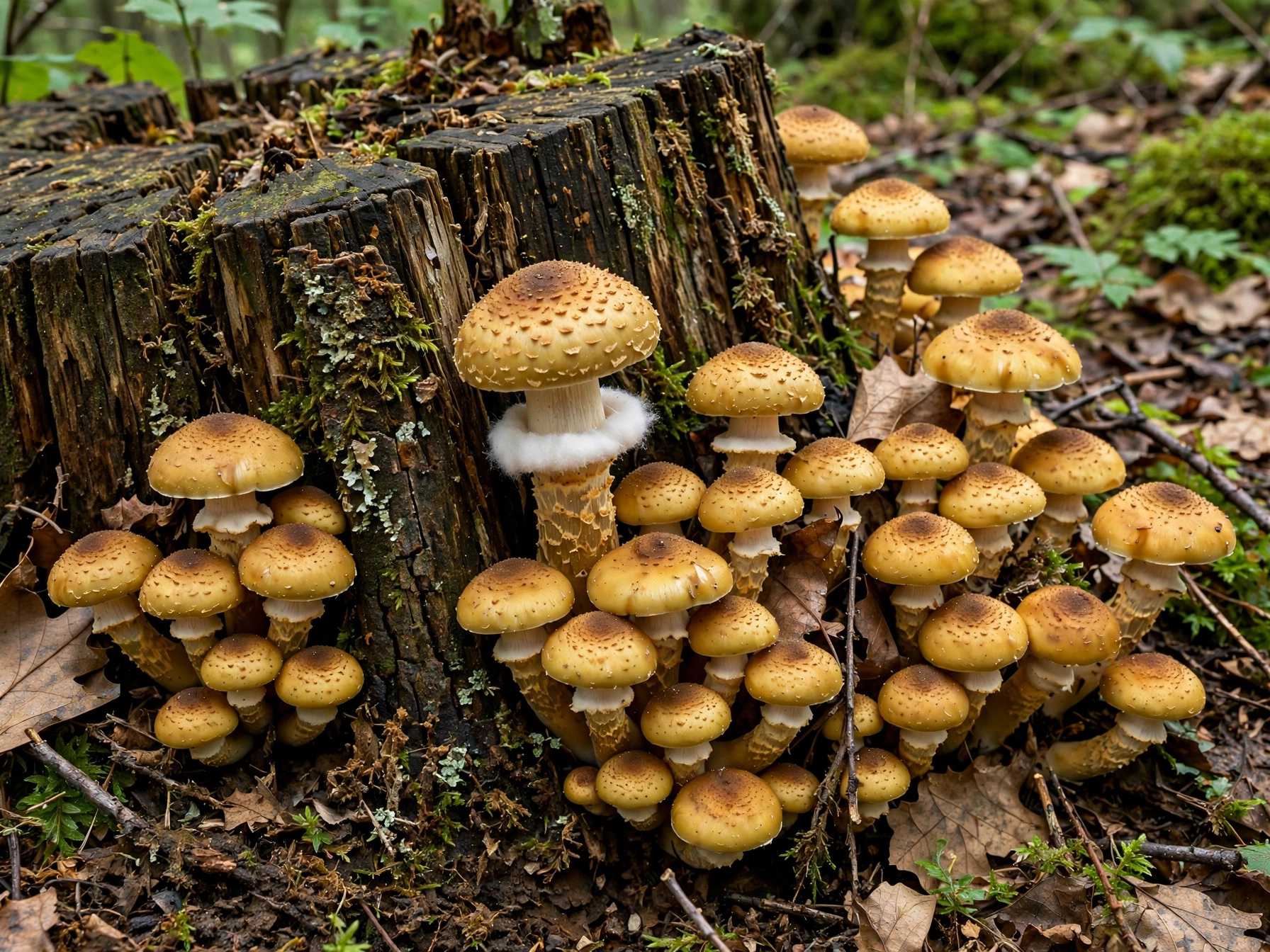
Cluster A
Dense cluster, honey-colored, WHITE spore print, thick cottony ring
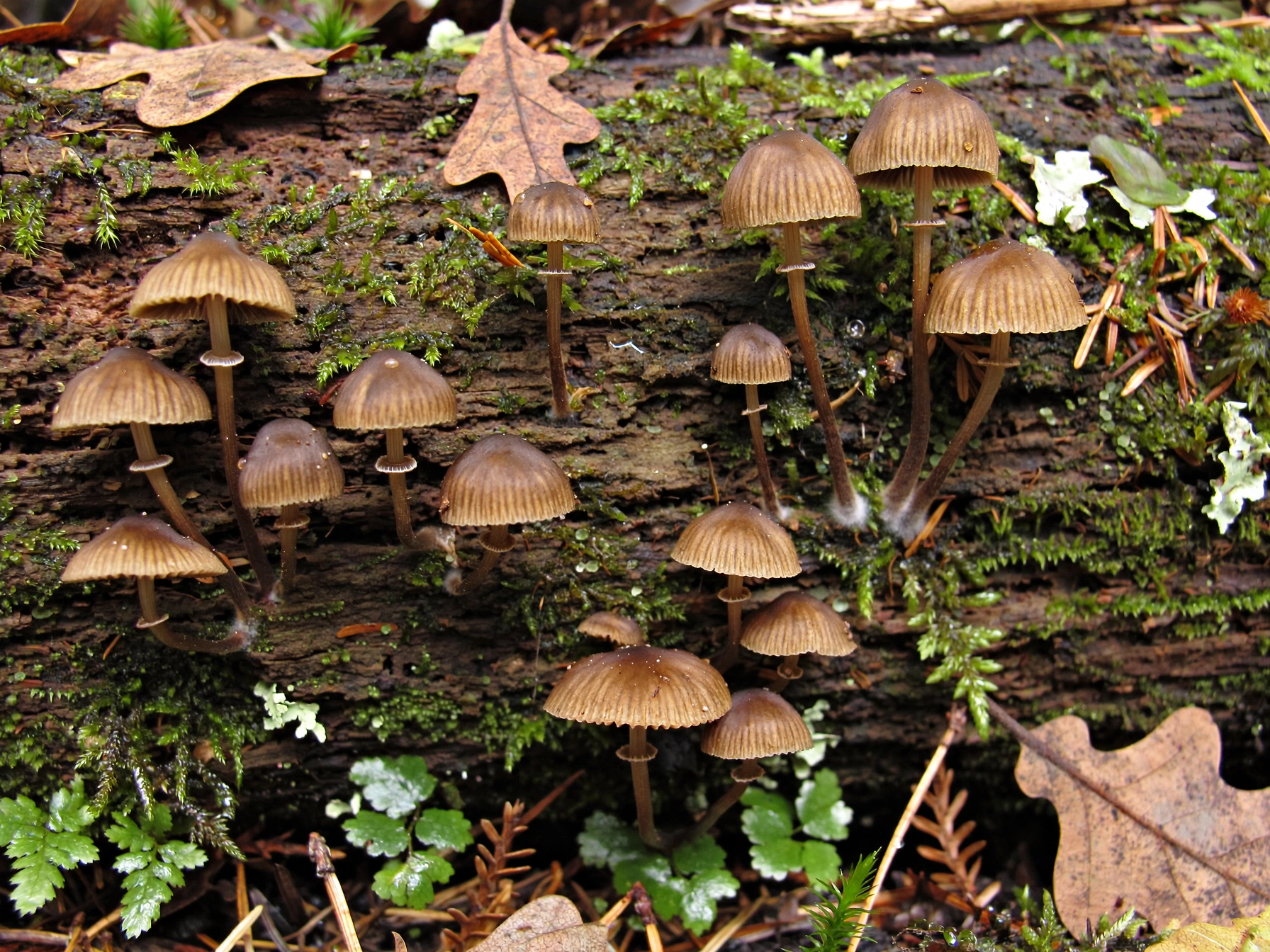
Cluster B
Small brown caps on rotting wood, RUSTY-BROWN spore print, thin fragile ring
Question 6: You found a white ball in the grass. Which one is a safe Giant Puffball?
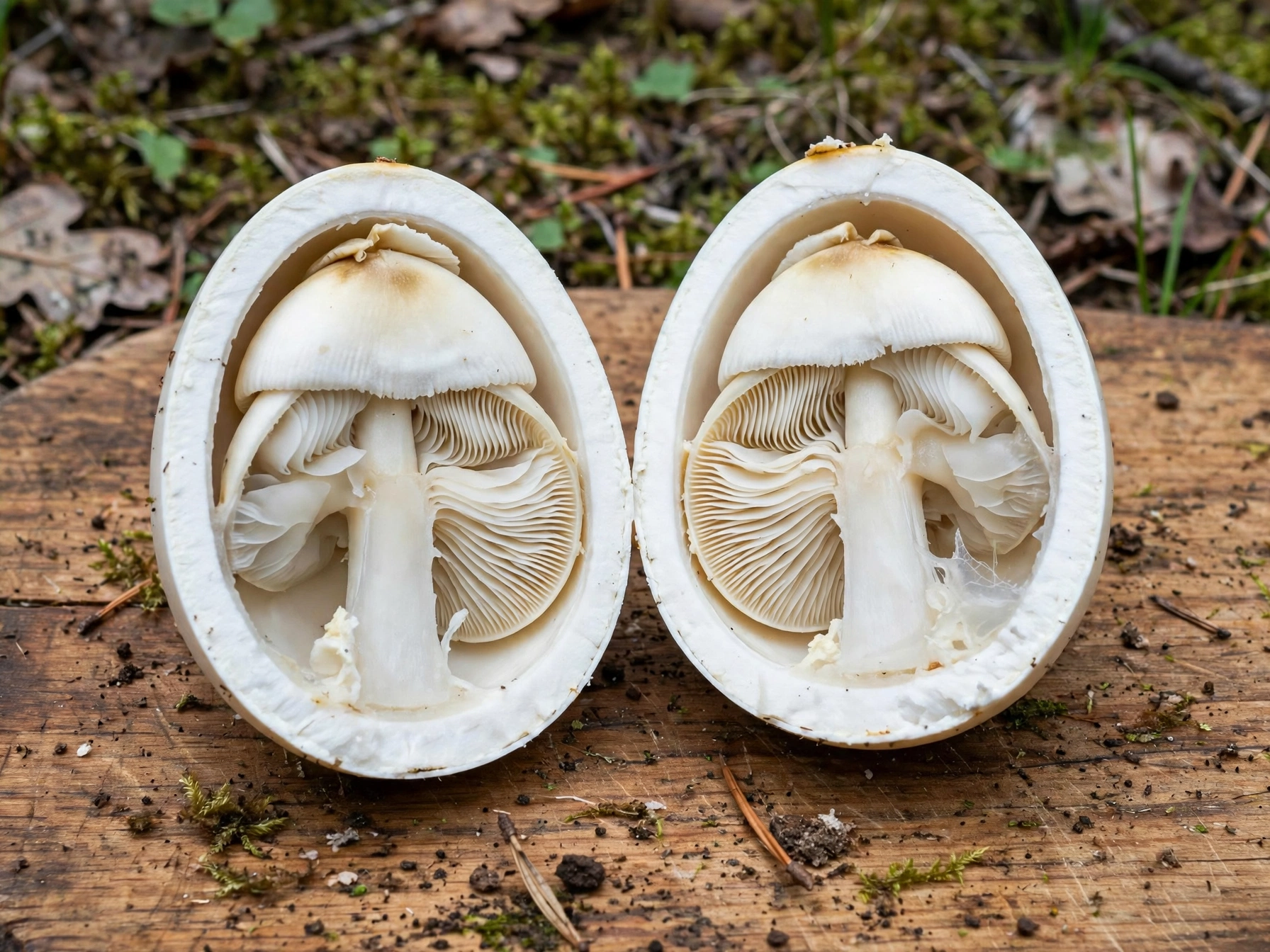
Specimen A
Cut in half: a faint outline of a cap and gills hides inside
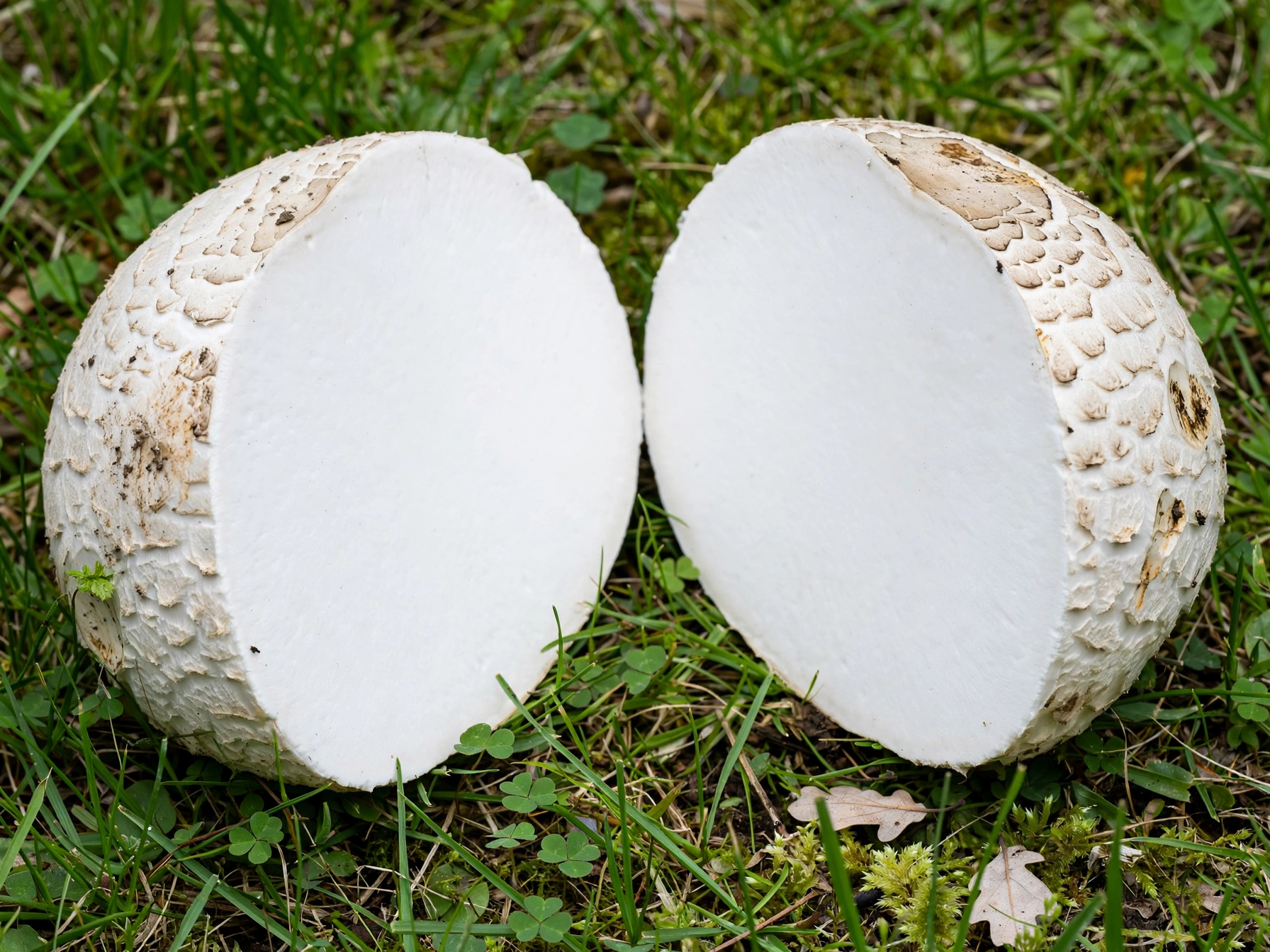
Specimen B
Cut in half: pure white and featureless all the way through, like marshmallow
Your Results
Don't quiz yourself in the field. Pin the find with a photo and check it against the offline lookalike guide before anything reaches the basket — free, works with no signal.
Download Free — iOS & AndroidLate-Summer Lookalike Pairs to Study
Porcini (Boletus edulis)
- Pores white when young, aging olive-yellow
- Fine white netting on the upper stem
- No color change when cut
- Always cook thoroughly before eating
Bitter Bolete (Tylopilus felleus)
- Pores develop a pinkish tinge with age
- Coarse dark netting down the stem
- Not dangerously toxic — but intensely bitter
- One cap can ruin an entire porcini dish
Parasol (Macrolepiota procera)
- Tall stem with snakeskin pattern
- Movable, double-edged ring
- WHITE spore print — always check
- Usually near woods and edges, not lawn rings
False Parasol (Chlorophyllum molybdites)
- GREEN spore print — the giveaway
- Gills take on a greenish tint with age
- Classic lawn and fairy-ring mushroom
- Most-reported cause of mushroom poisoning in North America — severe GI illness
Honey Mushroom (Armillaria)
- WHITE spore print (often dusts caps below)
- Thick, cottony ring on the stem
- Dense clusters, honey-tan color
- Must be well cooked — never raw
Deadly Galerina (Galerina marginata)
- RUSTY-BROWN spore print
- Thin, fragile ring; small brown caps
- Grows on the same dead wood, same season
- Contains the same amatoxins as the Death Cap
Pin It Instead of Guessing
GPS-pin the find with a photo, compare it against a 200+ species offline database with lookalike warnings, and come back to the spot every season. Free, works with zero cell service.