✅ Edibility Note
EDIBLE when pure white inside: CRITICAL - ALWAYS cut specimen completely in half before consuming. Edible ONLY if interior is completely pure white and firm throughout. If any olive, yellow, brown, or developing structures visible inside, DO NOT EAT. This prevents consuming toxic lookalikes and immature deadly Amanitas. The lack of sterile base and tumbling mature form help identification. Best when very young and small. Cook thoroughly.
Description
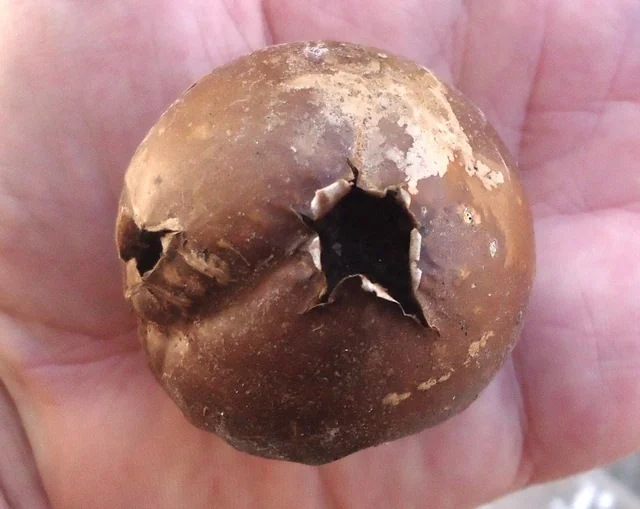
Small round puffballs 1-2.5 inches diameter, appearing as white balls in grass. Smooth white exterior skin that flakes off at maturity revealing thin papery brown inner skin. NO sterile base - just a small attachment point that breaks free. Interior pure white when edible, turning olive-brown. Mature specimens tumble freely in wind, dispersing spores. Opens with irregular tears.
Habitat & Distribution
Habitat: Saprobic in open grassy areas including pastures, meadows, lawns, parks, golf courses, and prairie grasslands. Prefers short grass and disturbed areas. Often in rings or scattered troops. Common in dry grasslands and well-maintained turf.
Region: Great Plains and prairies, Midwest, Western grasslands, Mountain parks and meadows, Widespread across North America, Cosmopolitan in grasslands
Seasonality
Late summer through fall, typically August-October. Peak fruiting in September. Mature specimens persist through winter as brown tumbleweeds. Fruits after late summer rains.
Typical months: Aug-Oct
Common Lookalikes
Always verify identification to avoid these similar species:
- Other Bovista species (similar, most edible when white inside)
- DEADLY: Immature Amanita buttons (ALWAYS CUT OPEN - will show developing gills/cap inside)
- Small Lycoperdon species (have sterile base, different habitat)
- Scleroderma species (toxic, purple-black interior, thick warty rind)
Related Species
Browse all species in the Mushroom Database →
Track Your Tumbling Puffball Finds
Pin the patch before you leave it. Coordinates, photos, and field notes stay AES-encrypted on your device — and the offline lookalike guide travels with you into the deep woods.
Download Mushroom TrackerDisclaimer: This guide is for educational purposes only. Never consume a wild mushroom unless you are 100% certain of its identification.