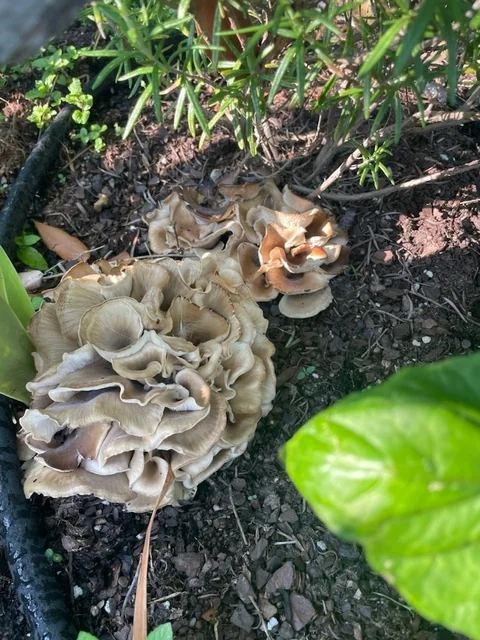
✅ Edibility Note
EDIBLE: Considered edible but not choice due to small size and gelatinous texture. Some sources report mild flavor similar to oyster mushrooms. Cook thoroughly before eating. The slimy cap cuticle should be removed if eating. Generally not actively sought by foragers due to small size and texture, but safe when properly identified. Better specimens exist in the oyster mushroom group.
Description
Small to medium fan or petal-shaped caps 1-4 inches wide, pale gray-brown to tan, often with a gelatinous or slimy cuticle when fresh. Decurrent white to grayish gills and very short lateral stem or no stem. Distinguished by slimy cap surface and nematode-trapping ability. Grows in small overlapping clusters on hardwood.
Habitat & Distribution
Habitat: Saprobic on dead hardwood logs, branches, and stumps, particularly oak, maple, beech, and other deciduous trees. Prefers well-rotted wood. Forms small overlapping clusters. Interesting biology: captures and digests nematodes (roundworms) from wood for supplemental nutrition.
Region: Eastern North America, Southeastern United States, Great Lakes region, Pacific Northwest, Widespread in temperate regions
Seasonality
Spring through fall, with peak fruiting in May-October. Most common in late spring and summer. Fruits during warm, humid weather after rain.
Typical months: May-Oct
Common Lookalikes
Always verify identification to avoid these similar species:
- Pleurotus ostreatus (larger, no slimy cap, different season)
- Panellus species (similar size but usually on conifers)
- Resupinatus species (much smaller, different texture)
- Crepidotus species (brown spores, no slimy cap)
Related Species
Browse all species in the Mushroom Database →
Track Your Shoehorn Oyster Finds
Pin the patch before you leave it. Coordinates, photos, and field notes stay AES-encrypted on your device — and the offline lookalike guide travels with you into the deep woods.
Download Mushroom TrackerDisclaimer: This guide is for educational purposes only. Never consume a wild mushroom unless you are 100% certain of its identification.