✅ Edibility Note
CHOICE EDIBLE: Excellent edible mushroom with mild, pleasant flavor similar to P. ostreatus. One of the most commonly cultivated species worldwide. Cook thoroughly before eating. Wild specimens are safe when properly identified. The summer fruiting season helps distinguish it from the similar P. ostreatus. Widely cultivated for commercial sale.
Description
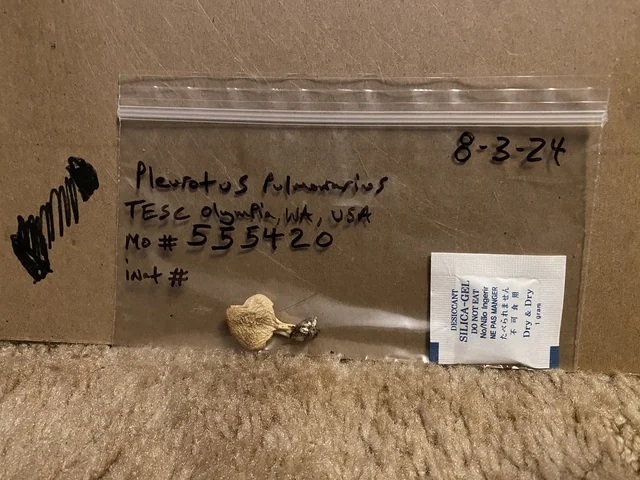
Fan to oyster-shaped caps 2-8 inches wide, white to pale cream or light tan. Smooth surface with decurrent white gills and lateral to absent stem. Very similar to P. ostreatus but generally paler in color and fruits during warmer months. Grows in dense overlapping clusters on hardwood. White spore print.
Habitat & Distribution
Habitat: Saprobic on dead and dying hardwood trees, logs, and stumps, particularly oak, beech, maple, elm, and other deciduous trees. Forms dense overlapping shelves from wood. Common on standing dead trees and fallen logs in hardwood and mixed forests.
Region: Eastern North America, Midwest and Great Plains, Southern United States, Pacific coast, Temperate regions worldwide
Seasonality
Late spring through early fall, with peak fruiting in June-August during warm weather. Warm-weather counterpart to P. ostreatus. Fruits when temperatures are above 60°F (15°C).
Typical months: Jun-Aug
Common Lookalikes
Always verify identification to avoid these similar species:
- Pleurotus ostreatus (nearly identical, darker, fall-winter fruiting)
- Angel wings (Pleurocybella porrigens) - toxic, smaller, pure white, on conifers
- Elm oyster (Hypsizygus ulmarius) - more pronounced central stem
- Crepidotus species - brown spores, smaller, thinner flesh
Related Species
Browse all species in the Mushroom Database →
Track Your Phoenix Oyster Finds
Pin the patch before you leave it. Coordinates, photos, and field notes stay AES-encrypted on your device — and the offline lookalike guide travels with you into the deep woods.
Download Mushroom TrackerDisclaimer: This guide is for educational purposes only. Never consume a wild mushroom unless you are 100% certain of its identification.